
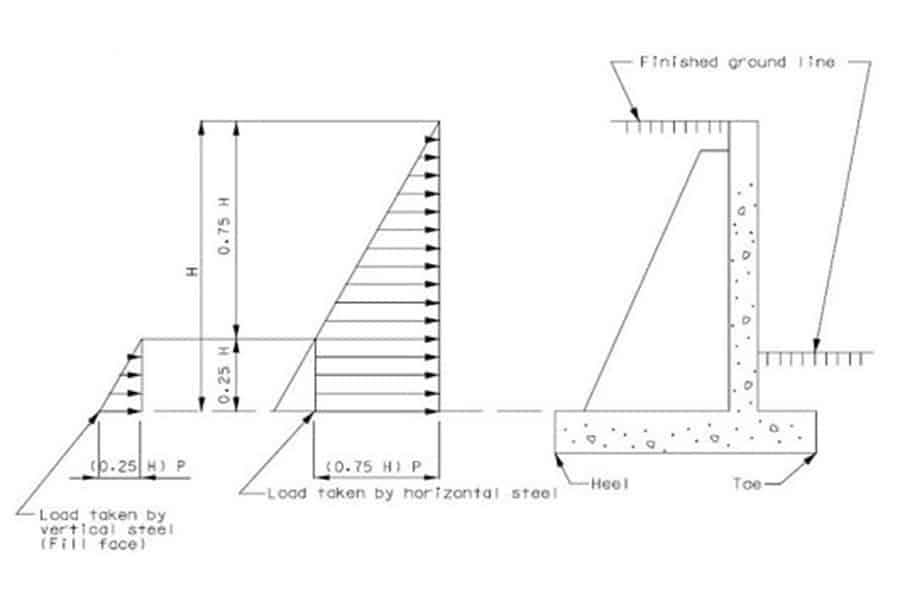
Retaining Wall Design Considerations – Australian Standard 4678
Reading Time: 4 minutes
We often use retaining walls in places where extra support is needed…
Yenem Engineering Services

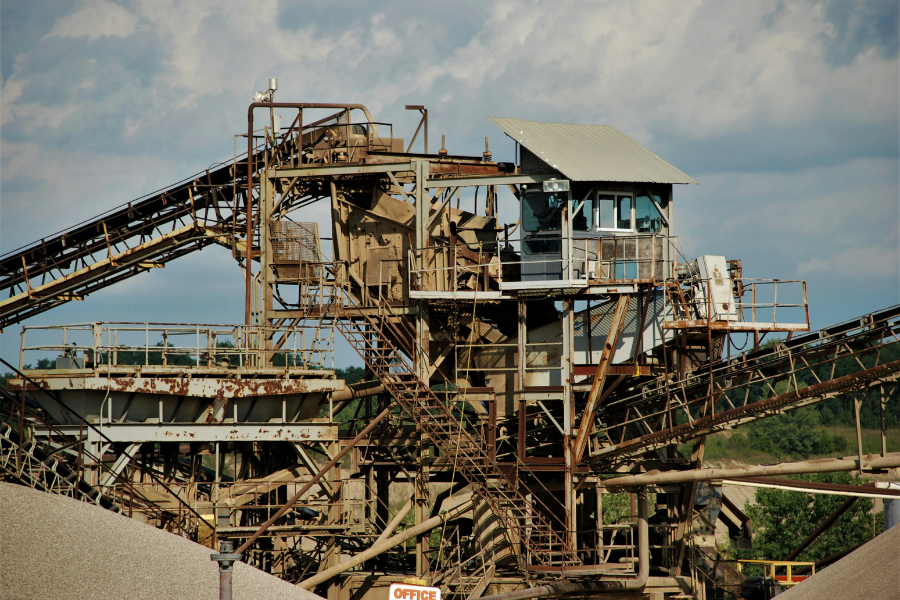
Structural fatigue represents one of the most significant yet frequently underestimated threats to the longevity and safety of mining infrastructure. Unlike sudden overload failures, structural fatigue develops progressively through repeated loading cycles, often over months or years, before manifesting as visible damage. For asset owners, understanding the early indicators of structural fatigue is essential for maintaining safe operations and avoiding costly unplanned shutdowns.
Structural fatigue occurs when materials are subjected to cyclic stresses that, individually, remain well below the ultimate strength of the material. Each loading cycle causes microscopic damage at stress concentration points, including welded connections, geometric discontinuities, and surface imperfections. Over thousands or millions of cycles, this damage accumulates and coalesces into detectable cracks.
The process of structural fatigue follows three distinct phases. During the initiation phase, microscopic cracks form at points of stress concentration. The propagation phase sees these cracks grow incrementally with each subsequent load cycle, following predictable fracture mechanics principles. Finally, when the remaining cross-section can no longer sustain the applied loads, rapid fracture occurs during the failure phase.
The nature of structural fatigue lies in the fact that the initiation and early propagation phases produce no obvious external symptoms. Components may appear entirely sound while internal damage progresses toward critical levels.
Effective detection of structural fatigue requires systematic inspection programmes that target known vulnerability points. Asset owners should prioritise monitoring of the following indicators.
Visible cracking at welded connections represents the most direct evidence of structural fatigue. These cracks typically initiate at weld toes, where geometric stress concentrations are highest, and propagate perpendicular to the direction of principal stress. Regular inspection of critical welds using magnetic particle testing or dye penetrant examination can identify cracks before they reach dangerous levels.
Changes in structural geometry, including unexpected deflections, misalignments, or distortions, may indicate that structural fatigue damage has progressed to the point of affecting overall stiffness. Periodic survey measurements comparing current geometry to baseline data can reveal these subtle changes.
Unusual vibration patterns or acoustic emissions during operation can signal the presence of propagating cracks. Condition monitoring systems that track vibration signatures over time enable detection of anomalies that warrant further investigation.
Paint cracking or coating disbondment in localised areas may indicate underlying material movement associated with structural fatigue crack propagation. While paint damage alone does not confirm fatigue, it often identifies locations requiring closer examination.
Asset owners must also recognise that operational practices significantly influence structural fatigue life. Factors that accelerate damage accumulation include increased loading frequency, higher stress amplitudes, corrosive environments that promote crack initiation, and elevated operating temperatures that alter material properties.
When operational demands change, such as increased production rates or modified loading configurations, existing fatigue life calculations may no longer remain valid. Reassessment of structural risk should accompany any significant operational modifications.
A comprehensive structural fatigue management programme combines several elements. Detailed fatigue life assessments, based on actual loading histories and material properties, establish inspection intervals appropriate to each component. Risk-based inspection strategies focus resources on connections with the highest consequence of failure. Documentation of all inspection findings enables trend analysis that can identify accelerating damage rates.
Structural fatigue demands respect precisely because it provides few obvious warnings before failure. Asset owners who implement rigorous monitoring programmes, understand the factors that influence fatigue life, and respond promptly to early indicators will maintain safer operations and extend the service life of their critical infrastructure. Vigilance and systematic inspection remain the most effective defences against this progressive deterioration mechanism.
Book a consultation today to discuss your asset integrity requirements and learn how proactive detection can safeguard your critical infrastructure.